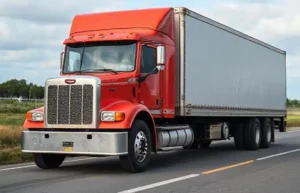
Planning a flatbed shipment involves more than finding a truck and scheduling a pickup. Businesses need to consider freight dimensions, total weight, loading equipment, cargo securement, delivery access, and any transportation restrictions that could affect the shipment.
For companies searching for flatbed transportation in Houston, preparing these details before requesting a quote can help identify the appropriate equipment, reduce avoidable delays, and make freight transportation easier to coordinate.
Houston’s construction, manufacturing, energy, and industrial businesses regularly move materials and equipment that may not fit inside a standard enclosed trailer. Flatbed transportation offers an open-deck solution for freight that requires flexible loading access or specialized handling.
LNC Logistics helps businesses coordinate flatbed freight shipping in Houston and across North America. Whether you are arranging a shipment of steel, construction materials, industrial machinery, or oversized equipment, understanding the planning process can help you prepare a more accurate shipping request.
This guide provides a practical checklist for preparing your next flatbed shipment.
What Is Flatbed Transportation?
Flatbed transportation uses a trailer with an open, generally level deck rather than an enclosed cargo compartment. Because the trailer has no permanent roof or surrounding walls, freight can often be loaded from the side, rear, or above using suitable equipment.
Flatbed shipping is commonly used for freight such as:
- Steel beams, structural steel, and metal products.
- Lumber, building materials, and construction supplies.
- Industrial machinery and manufacturing equipment.
- Pipes, tubing, and certain oilfield materials.
- Large equipment and components.
- Palletized or crated freight that benefits from open-deck loading.
Not every shipment requires a flatbed. Freight that needs weather protection, temperature control, or a fully enclosed space may be better suited to another transportation option.
The right equipment depends on the cargo’s dimensions, weight, loading requirements, route, and delivery conditions.
For a detailed overview of available services, visit LNC Logistics’ flatbed trucking and freight shipping page.
1. Record the Exact Dimensions of Your Freight
Accurate measurements are among the most important details to collect before requesting a flatbed transportation quote.
Measure the shipment’s overall length, width, and height. For irregularly shaped equipment, include protruding components and any features that may affect loading or transportation.
If you are shipping multiple pieces, determine whether they will be transported individually, bundled, palletized, or assembled into a larger load.
Your shipping information should include:
- Overall length, width, and height.
- Number of pieces or packages.
- Total shipment weight.
- Weight of individual heavy items, when available.
- Any unusually shaped or protruding components.
- Whether the dimensions include packaging, skids, or other supports.
Do not rely solely on approximate dimensions from an old invoice or product listing if the actual shipment has changed.
Accurate measurements help a logistics provider determine whether a standard flatbed is appropriate or whether a different trailer configuration or specialized transportation arrangement may be needed.
2. Confirm the Total Weight and Weight Distribution
Total weight affects equipment selection, transportation planning, and potentially the legal requirements for a shipment.
Before booking, confirm the combined weight of the freight, including packaging, pallets, skids, and other materials that will travel with it.
For concentrated or unusually heavy loads, the weight distribution also matters. A machine that weighs several thousand pounds may create different loading and securement considerations from a shipment of evenly distributed building materials.
Ask your shipping or logistics team whether the weight information is based on actual measurements, manufacturer specifications, or estimates.
If the freight is unusually heavy, provide any available details about its center of gravity, lifting points, and recommended handling procedures.
The carrier and transportation professionals can use these details to evaluate the appropriate equipment and loading arrangement.
3. Identify the Loading and Unloading Requirements
Flatbed trailers offer flexible loading access, but the loading method must match the freight and the facilities at both ends of the shipment.
Before requesting transportation, answer these questions:
- Will the freight be loaded using a forklift, crane, or another type of equipment?
- Does the pickup location have adequate room for the truck and loading equipment?
- Is there a loading dock, or must the freight be handled at ground level?
- Will the receiving location have the equipment needed to unload the shipment?
- Are there restrictions on when a truck can enter the facility?
- Does the site require advance scheduling, security clearance, or special delivery instructions?
For example, an industrial machine may require a crane and designated lifting points. Bundled construction materials may require a forklift with sufficient capacity and suitable access.
If loading or unloading equipment must be arranged separately, establish those responsibilities before the shipment is dispatched.
Clear communication helps reduce the risk of a truck arriving when the facility is not ready to handle the freight.
4. Evaluate the Delivery Location and Route
The pickup and delivery addresses are not the only location details that matter.
A flatbed shipment may need to access a construction site, manufacturing facility, industrial yard, warehouse, or property with limited maneuvering space.
Before booking, identify potential access issues such as:
- Narrow entrances or restricted turning areas.
- Low-clearance structures.
- Weight-restricted bridges or roads.
- Construction zones and temporary access restrictions.
- Limited space for staging or unloading.
- Site-specific delivery hours or vehicle restrictions.
These conditions may affect the route, equipment choice, arrival schedule, or need for additional planning.
For oversized or overweight loads, applicable permits and route restrictions must be evaluated before transportation. Requirements depend on the shipment’s dimensions, weight, route, and other circumstances.
The Texas Department of Motor Vehicles’ oversize and overweight permits guidance explains when loads exceeding applicable legal size or weight limits require permits and authorized routing.
Do not assume that a route suitable for a standard truck will automatically be appropriate for an oversized flatbed shipment.
5. Understand Cargo Securement Requirements
Open-deck freight requires appropriate securement to help prevent cargo from shifting, moving, or falling during transportation.
Depending on the type of freight, securement may involve rated tiedowns, chains, straps, blocking, bracing, edge protection, or other suitable equipment.
The proper method depends on the cargo’s weight, dimensions, shape, packaging, and applicable regulations.
For example, long steel products may require different securement considerations from machinery, lumber, or items that could roll during transit.
Before the shipment moves, the responsible transportation professionals should ensure that the load is secured in accordance with applicable requirements.
The Federal Motor Carrier Safety Administration provides official information about federal cargo securement rules, including general requirements intended to prevent cargo movement during transportation.
Shippers can help by providing accurate freight information and communicating any manufacturer handling instructions or special securement concerns.
Never assume that a shipment is ready to travel simply because it fits on the trailer. Proper loading and securement are essential parts of the transportation process.
6. Determine Whether Special Equipment Is Needed
Not all flatbed shipments use the same trailer configuration.
Depending on the freight, a transportation provider may consider a standard flatbed, a specialized open-deck trailer, or another equipment option.
Relevant questions include:
- Does the freight exceed ordinary trailer dimensions?
- Is the shipment unusually heavy?
- Does the cargo need special loading access?
- Are there restrictions on height, width, length, or weight?
- Does the shipment require a particular trailer deck height or configuration?
- Are additional handling arrangements necessary?
Specialized equipment should be selected based on the actual shipment requirements rather than assumptions about what a typical flatbed can accommodate.
Providing complete details at the beginning helps the logistics provider evaluate the available options and identify potential complications before dispatch.
7. Prepare the Information Needed for a Flatbed Quote
A complete quote request gives the logistics provider a clearer understanding of the shipment and reduces the need for repeated follow-up questions.
Before requesting a flatbed transportation quote in Houston, gather the following information:
Pickup information
- Pickup address and ZIP code.
- Requested pickup date.
- Contact person and telephone number.
- Facility operating hours and access instructions.
Delivery information
- Delivery address and ZIP code.
- Required delivery date or scheduling window.
- Receiving contact and telephone number.
- Unloading requirements and site restrictions.
Freight information
- Description of the cargo.
- Number of pieces.
- Dimensions and total weight.
- Packaging or loading configuration.
- Special handling or securement considerations.
Additional requirements
- Whether the freight may exceed standard legal dimensions or weight limits.
- Whether a permit or special route may be necessary.
- Whether loading and unloading equipment must be arranged.
- Any shipment-specific documentation or delivery requirements.
You do not need to know every technical detail before contacting a logistics provider. However, supplying the information you have can help the provider identify what else is needed.
You can begin by visiting the LNC Logistics website to review services and request freight assistance.
8. Understand What Affects Flatbed Transportation Costs
Flatbed shipping rates vary according to the shipment’s requirements. There is no single price that applies to every load.
Factors that may influence the cost include:
Distance and route: The pickup and delivery locations, available routes, and transportation requirements can affect pricing.
Freight dimensions and weight: Larger, heavier, or unusually shaped shipments may require different equipment or additional planning.
Equipment availability: The availability of suitable transportation capacity can influence the quote.
Loading and unloading: Crane services, specialized handling, or additional arrangements may add costs.
Permits and routing: Oversized or overweight shipments may require permits, route planning, or other applicable services.
Scheduling: Requested pickup dates, delivery windows, and time-sensitive requirements may affect available options.
Additional services: Depending on the shipment, additional handling, special securement, or other agreed services may affect the final price.
When comparing quotes, confirm that the providers are pricing the same shipment details and service requirements. A lower initial price may not include every service needed to complete the move.
The best quote is one that clearly reflects the transportation requirements, expected services, and applicable charges.
9. Plan for Weather and Delivery Scheduling
Because flatbed trailers have open decks, many types of freight are exposed to the weather unless suitable protection is arranged.
Consider whether the cargo is sensitive to rain, moisture, dust, or other environmental conditions. Appropriate packaging, protective coverings, or an alternative trailer may be necessary depending on the shipment.
Weather can also affect loading conditions, site access, and transportation schedules.
For construction and industrial projects, coordinate the expected delivery window with the receiving team. Confirm that personnel, equipment, and storage space will be available when the freight arrives.
If the delivery supports a time-sensitive project, communicate the importance of the schedule before confirming the shipment. Build reasonable flexibility into the plan when possible.
Clear coordination among the shipper, logistics provider, carrier, and receiving facility can help minimize avoidable scheduling problems.
10. Choose a Logistics Partner That Understands Your Shipment
Selecting a flatbed transportation provider involves more than finding available truck capacity.
Businesses should consider whether the provider understands their freight requirements, communicates clearly, and can coordinate the equipment and transportation arrangements needed for the shipment.
When evaluating a logistics partner, ask:
- Can the provider coordinate transportation for your type of freight?
- What shipment details are needed to prepare an accurate quote?
- How will pickup and delivery scheduling be coordinated?
- Who should be contacted if shipment details change?
- How will updates about the shipment be communicated?
- What permits, access restrictions, or special handling requirements need to be evaluated?
A logistics provider should be able to explain the information needed to plan the shipment and identify issues that require further review.
LNC Logistics coordinates flatbed freight transportation for businesses with shipments that may require open-deck equipment and specialized planning. The company serves Houston-area shippers and coordinates freight transportation across North America.
To learn more about its capabilities, visit the LNC Logistics flatbed transportation service page.
Frequently Asked Questions About Flatbed Transportation in Houston
What types of freight can be transported on a flatbed?
Flatbed trailers commonly transport construction materials, steel, lumber, pipes, machinery, and other freight suited to open-deck loading. Whether a particular item can be transported depends on its dimensions, weight, handling requirements, and applicable regulations.
How do I request a flatbed transportation quote in Houston?
Prepare the pickup and delivery addresses, requested dates, cargo description, dimensions, weight, and any special loading or unloading requirements. A logistics provider can use this information to evaluate transportation options and prepare a quote.
Does oversized freight require a special permit in Texas?
Some shipments that exceed applicable legal size or weight limits require oversize or overweight permits and may be subject to authorized routing requirements. The applicable rules depend on the load, vehicle, and route. Consult the Texas Department of Motor Vehicles’ official guidance and confirm requirements before transportation.
How is freight secured on a flatbed trailer?
Cargo securement depends on the type of freight and applicable regulations. Appropriate tiedowns, blocking, bracing, and other methods may be necessary to prevent movement during transit. Qualified transportation professionals must determine the suitable securement arrangement.
How much does flatbed shipping in Houston cost?
Pricing depends on distance, shipment dimensions and weight, equipment availability, loading requirements, scheduling, and any special services or permits. Providing complete shipment details helps a logistics provider prepare a more accurate quote.
Can LNC Logistics coordinate flatbed shipments outside Houston?
LNC Logistics offers flatbed freight transportation from Houston to destinations across North America. Specific availability, equipment, routing, and service requirements should be confirmed for each shipment.
Request Flatbed Transportation in Houston From LNC Logistics
Successful flatbed shipping begins with accurate information and practical planning. Knowing the dimensions and weight of your freight, preparing loading and unloading arrangements, evaluating route restrictions, and identifying securement requirements can help your business prepare for a smoother shipment.
If your company needs flatbed transportation in Houston, LNC Logistics can help evaluate your freight requirements and coordinate suitable transportation options.
Whether you are shipping construction materials, industrial machinery, steel products, or other freight suited to open-deck transportation, start by providing the details of your shipment.
Contact LNC Logistics to discuss your transportation needs and request a quote.
LNC Logistics LLC
507 N Sam Houston Parkway E, Suite 202
Houston, TX 77060
Phone: 832-777-1789
Email: info@lnclogistics.com
Visit LNC Logistics to get started.
Disclaimer: This article is for general informational purposes and is not a substitute for shipment-specific transportation, permitting, or safety advice. Equipment suitability, cargo securement, route restrictions, and permit requirements depend on the individual shipment and applicable regulations. Confirm these details with qualified transportation professionals before dispatch.