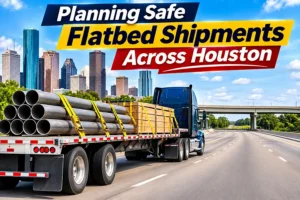
Moving heavy equipment, construction materials, steel, lumber, or oversized freight requires the right transportation solution. When cargo is too large, too heavy, or unusually shaped for a standard enclosed trailer, flatbed transportation can provide the flexibility businesses need.
For companies operating in Houston’s construction, manufacturing, energy, and industrial sectors, dependable freight coordination is essential. Delayed shipments can affect project schedules, interrupt operations, and create unnecessary costs.
LNC Logistics helps businesses coordinate transportation solutions for a variety of commercial freight needs. If your company is searching for Flatbed Transportation In Houston, understanding your shipping requirements and choosing the right logistics partner can make a significant difference.
What Is Flatbed Transportation?
Flatbed transportation uses an open-deck trailer without an enclosed roof or sides. This design allows cargo to be loaded from the top, sides, or rear, depending on the equipment and loading requirements.
Unlike a standard dry van, a flatbed can accommodate freight that is oversized, unusually shaped, or difficult to load through conventional trailer doors.
Flatbed transportation is commonly used for:
- Construction equipment
- Structural steel and metal products
- Lumber and building materials
- Industrial machinery
- Pipes and tubing
- Generators and commercial equipment
- Roofing materials
- Manufacturing components
- Agricultural equipment
- Oversized commercial freight
The open design provides flexibility for businesses that need to transport large materials between warehouses, industrial facilities, construction sites, and other destinations.
Why Houston Businesses Depend on Flatbed Transportation
Houston is an important center for construction, energy, manufacturing, distribution, and industrial operations. Businesses throughout the region regularly move equipment and materials that require specialized transportation.
Flatbed shipping can support these industries by providing access to equipment suited for freight that cannot easily fit inside an enclosed trailer.
Construction and Infrastructure
Construction companies frequently transport steel beams, lumber, concrete products, roofing materials, and heavy machinery.
Flatbed trailers make it easier to load and unload many of these materials using forklifts, cranes, and other specialized equipment.
Oil and Gas
The energy industry depends on the movement of industrial components, pipes, valves, fabricated materials, and equipment.
Proper transportation planning is important when shipments involve heavy or oversized freight.
Manufacturing
Manufacturers may need to move machinery, production equipment, metal products, and large components between facilities and customers.
Flatbed transportation provides an option for loads that require open-deck access.
Commercial Distribution
Suppliers and distributors often need dependable transportation for building materials, equipment, and other commercial products.
Choosing the right trailer and coordinating pickup and delivery requirements can help keep shipments moving efficiently.
Benefits of Choosing Flatbed Shipping
Flatbed transportation offers several advantages for businesses with specialized freight requirements.
1. Flexible Loading and Unloading
The open trailer design allows cargo to be loaded from different directions. This can be especially useful when a shipment requires overhead crane access or side loading.
2. Accommodates Oversized Freight
Some shipments are too wide, tall, long, or irregularly shaped for standard enclosed trailers. Flatbeds provide additional flexibility for these transportation needs.
3. Supports Different Industries
From construction and manufacturing to energy and commercial distribution, flatbed transportation serves businesses with a wide range of freight requirements.
4. More Transportation Options
Depending on the shipment, businesses may have access to different open-deck equipment configurations, including standard flatbeds, step decks, and double-drop trailers.
Selecting the appropriate equipment helps ensure the shipment can be transported safely and efficiently.
5. Flexible Delivery Planning
Flatbed transportation can support deliveries to warehouses, industrial facilities, construction sites, and other locations with appropriate loading and unloading arrangements.
Choosing the Right Flatbed Trailer for Your Shipment
Not every shipment requires the same type of flatbed equipment. Cargo dimensions, total weight, loading methods, and delivery conditions all influence the best transportation option.
Here are three common trailer types businesses may encounter.
Standard Flatbed Trailers
Standard flatbeds are commonly used for construction materials, steel, lumber, machinery, and other freight that can be transported on an open deck.
Step Deck Trailers
Step decks have two deck levels, allowing them to accommodate certain taller loads while helping businesses work within applicable height restrictions.
Double-Drop Trailers
Double-drop trailers have a lower center deck designed for certain tall or oversized pieces of equipment and machinery.
The correct trailer depends on the actual freight specifications and applicable transportation requirements. A logistics professional can help evaluate the shipment before transportation is arranged.
Why Cargo Securement Matters
Moving freight on an open trailer requires careful attention to cargo securement. Unlike enclosed shipments, flatbed freight is exposed to the surrounding environment during transportation.
Improperly secured cargo can create serious safety risks, damage products, and cause transportation delays.
Important considerations include:
- Proper load distribution
- Appropriate tie-down equipment
- Correct use of straps and chains
- Cargo weight and dimensions
- Securement points
- Weather protection when needed
- Compliance with applicable transportation regulations
The Federal Motor Carrier Safety Administration provides guidance on Federal Cargo Securement Rules, including requirements designed to help prevent cargo from shifting or falling during transportation.
Businesses should make sure their shipments are properly prepared and secured before a truck leaves the pickup location.
How to Prepare for a Flatbed Freight Shipment
Good planning starts before the truck arrives. Providing accurate shipment information helps the logistics provider identify suitable equipment and coordinate transportation more effectively.
Before requesting a flatbed quote, gather the following details:
Pickup and Delivery Locations: Provide complete origin and destination addresses, including ZIP codes when available.
Cargo Dimensions: Measure the length, width, and height of each item or package.
Total Weight: Provide the total shipment weight and, when possible, the weight of individual pieces.
Freight Description: Identify the materials, machinery, or equipment being transported.
Loading Requirements: Explain whether a forklift, crane, or other specialized equipment will be needed.
Unloading Requirements: Confirm what equipment will be available at the delivery location.
Scheduling: Provide preferred pickup and delivery dates, appointment requirements, and any time restrictions.
Special Requirements: Identify whether tarping, specialized securement, permits, or other arrangements may be necessary.
Accurate information helps reduce surprises and makes it easier to coordinate a transportation solution that matches your freight.
Why Work With LNC Logistics?
Finding a truck is only one part of the transportation process. Businesses also need to consider equipment requirements, carrier availability, shipment dimensions, delivery access, scheduling, and communication.
LNC Logistics works with businesses to coordinate freight transportation solutions based on their shipping needs.
Customers can benefit from:
- Transportation coordination for different freight types
- Flatbed, dry van, and less-than-truckload options
- Access to a carrier network
- Shipment planning and logistics support
- Communication throughout the transportation process
- Solutions for local, regional, and long-distance freight
Whether you are shipping construction materials across Houston or coordinating industrial equipment transportation to another state, LNC Logistics can help evaluate your requirements and identify available options.
Explore our freight transportation services to learn more about the solutions we coordinate.
Flatbed Transportation In Houston for Local and Nationwide Freight
Houston businesses often need transportation that extends beyond the immediate area. A shipment may begin at a local warehouse, move to a construction site in another Texas city, or travel across state lines.
Working with a logistics provider that understands different freight requirements can help simplify the coordination process.
LNC Logistics supports businesses with transportation planning for local, regional, and nationwide shipments. Our team works to match freight requirements with appropriate transportation options while keeping communication and scheduling in focus.
Frequently Asked Questions About Flatbed Transportation
What types of freight can be shipped on a flatbed?
Flatbed trailers are commonly used for steel, lumber, construction materials, heavy equipment, industrial machinery, pipes, generators, and oversized cargo.
When should I choose flatbed instead of dry van transportation?
Flatbed transportation may be appropriate when freight is too large for an enclosed trailer, requires overhead or side loading, or has dimensions that make standard trailer access difficult.
What information is needed for a flatbed shipping quote?
You should provide the pickup and delivery locations, cargo dimensions, total weight, freight description, loading and unloading requirements, and preferred shipping dates.
Can flatbed transportation handle oversized loads?
Yes, certain flatbed and specialized open-deck trailers can accommodate oversized freight. Additional requirements, such as permits, route planning, and specialized equipment, may apply depending on the shipment.
Does LNC Logistics coordinate transportation outside Houston?
LNC Logistics coordinates freight transportation for businesses with local, regional, and nationwide shipping needs. Specific options depend on the shipment and available carrier capacity.
Request Flatbed Transportation In Houston Today
When your business needs to move heavy equipment, construction materials, industrial machinery, steel, or oversized freight, choosing the right transportation partner matters.
LNC Logistics is ready to help businesses coordinate practical freight solutions based on their shipment requirements.
Whether you need a one-time flatbed shipment or ongoing transportation support, our team can help you explore available options.
Need dependable Flatbed Transportation In Houston?
Contact LNC Logistics today to discuss your freight requirements and request a transportation quote.
Call (832) 777-1789 to get started.
LNC Logistics LLC
507 N Sam Houston Pkwy E, Suite 202
Houston, TX 77060
Visit our Contact LNC Logistics page to request more information.