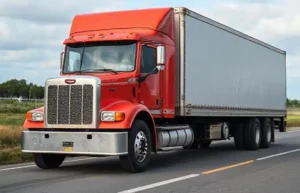
When your freight is too large, too heavy, too long, or too difficult to load into a standard enclosed trailer, choosing the right Flatbed Trucking Company in Houston can make a major difference.
Flatbed transportation gives businesses the flexibility to move construction materials, steel, pipe, machinery, industrial equipment, lumber, manufactured components, and other freight that may not fit inside a traditional dry van.
But finding a truck is only part of the process.
The right logistics partner should understand your freight, loading requirements, delivery location, timing, equipment needs, and the challenges of moving commercial freight throughout Houston and beyond.
For Houston businesses, LNC Logistics provides freight transportation solutions designed around the shipment rather than a one-size-fits-all approach.
Why Houston Businesses Need Flatbed Trucking
Houston is one of the country’s major industrial and transportation centers.
Construction projects, energy operations, manufacturing facilities, warehouses, contractors, distributors, and industrial suppliers all depend on freight transportation.
Many of these businesses move cargo that simply does not belong inside a standard enclosed trailer.
Examples include:
- Steel beams and structural steel
- Pipe and tubing
- Lumber and building materials
- Heavy machinery
- Construction equipment
- Industrial components
- Manufacturing equipment
- Large fabricated materials
- Oil and gas equipment
- Oversized or irregularly shaped freight
Flatbed trailers are particularly useful because cargo can often be loaded from the side, rear, or top.
That flexibility can be extremely important when a shipment needs to be loaded by crane or forklift or when the cargo cannot easily pass through the doors of an enclosed trailer.
What Makes a Good Flatbed Trucking Company in Houston?
Not every freight shipment should be handled the same way.
A dependable Houston flatbed trucking company should begin by understanding the actual requirements of the load.
Before transportation is arranged, important questions include:
- What is being shipped?
- How much does it weigh?
- What are the exact dimensions?
- How many pieces are being transported?
- How will the cargo be loaded?
- How will it be unloaded?
- Does the shipment require a crane or forklift?
- Does the cargo require tarping?
- Are there special securement requirements?
- Does the delivery location have limited access?
- Is the shipment oversized or overweight?
- When does the freight need to arrive?
These details can determine what equipment and transportation strategy makes the most sense.
That is why experienced freight coordination can be more valuable than simply finding the first available truck.
Flatbed Freight Requires Planning
Flatbed shipping may look straightforward because the trailer is open.
In reality, open-deck freight can require significant planning.
Cargo dimensions, weight distribution, loading access, securement, route conditions, permits, delivery requirements, and timing can all affect the shipment.
The Federal Motor Carrier Safety Administration establishes cargo-securement requirements designed to prevent cargo from shifting or falling from commercial motor vehicles. Its rules address securement systems, tiedowns, working load limits, blocking, bracing, and commodity-specific requirements.
Businesses can review the FMCSA cargo-securement rules when evaluating the requirements associated with transporting freight.
For a shipper, the important takeaway is simple:
Flatbed transportation should be planned around the cargo.
When Should You Choose Flatbed Instead of Dry Van?
One of the most important decisions in freight transportation is choosing the appropriate equipment.
Dry vans are excellent for many types of enclosed freight.
But a flatbed may be the better choice when the cargo is:
- Too wide for a standard trailer
- Too tall for an enclosed trailer
- Too long for conventional equipment
- Too heavy for standard freight equipment
- Irregularly shaped
- Designed for crane loading
- Designed for forklift loading from the side
- Intended for direct delivery to a construction site
- Difficult to load through standard trailer doors
For example, a shipment of packaged commercial products may work well in a dry van.
A large piece of construction equipment may not.
A shipment of steel beams may be much easier to load onto a flatbed.
The right equipment can reduce unnecessary handling and help the shipment move more efficiently.
Houston Flatbed Trucking for Construction
Houston’s construction industry depends on reliable transportation.
Projects require a constant flow of materials and equipment, and delays can have a ripple effect.
A missing shipment of steel can affect a construction schedule.
A delayed piece of equipment can keep a crew waiting.
Materials that arrive at the wrong time can create storage and scheduling problems.
Flatbed transportation can help construction companies move materials that are too large, long, heavy, or awkward for enclosed trailers.
Common construction-related flatbed freight includes:
- Steel
- Lumber
- Roofing materials
- Concrete products
- Heavy equipment
- Structural components
- Building materials
- Jobsite machinery
- Fabricated materials
Because construction sites can have different access requirements than commercial warehouses, freight planning should consider the delivery location before the truck is dispatched.
Flatbed Trucking for Houston’s Industrial Economy
Houston’s industrial economy creates demand for specialized freight transportation.
Energy companies, manufacturers, contractors, fabricators, distributors, and suppliers may need to move equipment and materials between facilities, warehouses, job sites, ports, and industrial locations.
That makes flexibility especially important.
A shipment may originate at a Houston warehouse and travel to another Texas city.
Another load may move from a fabrication facility to a job site outside the Houston metropolitan area.
A different shipment may require long-haul transportation across state lines.
The freight requirements can change from one shipment to the next.
A logistics company that understands those differences can help businesses evaluate transportation options before committing to a particular equipment type.
Oversized Freight Requires Additional Planning
Some flatbed shipments are considered oversized or overweight.
When a load exceeds applicable size or weight limits, additional permitting and route considerations may apply.
Texas has specific procedures for oversize and overweight transportation. The Texas Department of Transportation explains that oversize loads can involve issues such as overheight or overwidth dimensions, while overweight loads can require additional evaluation depending on the configuration and route.
Businesses moving specialized freight should therefore avoid assuming that every truck and route can accommodate the load.
Accurate dimensions and weight are essential.
Before requesting transportation, provide:
- Length
- Width
- Height
- Total weight
- Number of pieces
- Pickup location
- Delivery location
- Loading method
- Unloading method
- Required delivery date
The more accurate the information, the easier it becomes to determine the appropriate transportation solution.
Why Local Houston Knowledge Matters
Hiring a Flatbed Trucking Company in Houston is not only about moving freight from Point A to Point B.
Houston’s size creates logistical challenges of its own.
Traffic, industrial corridors, construction activity, facility access, delivery appointments, and the location of warehouses and job sites can all affect freight movement.
A logistics provider familiar with Houston can help businesses think through those variables before transportation begins.
LNC Logistics is based in Houston at 507 N Sam Houston Parkway E, Suite 202, Houston, TX 77060 and provides freight transportation services for Houston-area businesses and customers beyond the local market.
The company’s Houston flatbed trucking services are designed to help businesses coordinate transportation for freight that requires open-deck equipment.
Community Matters in the Logistics Industry
A transportation company is part of the community it serves.
Every shipment represents a business, a customer, a project, a worker, or a supply chain that depends on transportation.
LNC Logistics identifies being an active community partner as part of its company mission.
That commitment fits naturally with the role transportation companies play in Houston.
Reliable freight transportation helps construction projects move forward.
It helps manufacturers receive materials.
It helps contractors get equipment where it needs to go.
It helps suppliers serve their customers.
And it connects Houston businesses with markets throughout Texas and across the country.
Community involvement does not always have to mean a single event or donation.
It can also mean building a business that contributes to the local economy, treats customers and carriers with respect, creates professional opportunities, and consistently works to provide dependable service.
LNC Logistics’ Social Media Reflects Its Freight Focus
LNC Logistics also uses social media to communicate with customers and the broader transportation community.
The company’s social-media page highlights topics such as freight transportation, flatbed services, delivery reliability, customer service, and current company content. It also includes company messages tied to holidays and ongoing logistics education.
For businesses researching a potential logistics provider, social media can provide another way to understand a company’s communication style and areas of expertise.
But social media should support—not replace—due diligence.
Businesses should still ask about:
- Freight capabilities
- Equipment
- Service area
- Communication
- Experience
- Insurance
- Transportation requirements
- Pricing
- Delivery expectations
A strong online presence is useful.
A strong transportation process is even more important.
What Should You Ask Before Hiring a Houston Flatbed Company?
Before booking a shipment, ask the logistics provider several important questions.
Can you handle my type of freight?
Describe the cargo and provide exact dimensions and weight.
What type of equipment is needed?
A standard flatbed may not be appropriate for every specialized shipment.
How will the cargo be loaded?
Tell the provider whether the shipment requires a crane, forklift, side loading, rear loading, or another method.
Are there special securement requirements?
Certain types of freight have specific securement considerations.
Does the shipment require permits?
If your freight is oversized or overweight, ask whether additional permitting or route planning may be required.
What information is needed for an accurate quote?
Providing complete freight information can help reduce surprises later.
How will communication work?
Know who your point of contact is and how shipment updates will be handled.
How LNC Logistics Helps Houston Businesses
LNC Logistics approaches freight transportation as a coordination process rather than simply matching a shipment with a truck.
The goal is to understand the freight first.
That can include reviewing:
- Cargo type
- Dimensions
- Weight
- Pickup requirements
- Delivery requirements
- Equipment needs
- Timing
- Route considerations
- Special handling
- Budget considerations
From there, the transportation solution can be evaluated based on the actual shipment.
This approach can be especially valuable for businesses that do not have an internal logistics department or that need additional support managing specialized freight.
Get a Houston Flatbed Freight Quote
If your business needs to move large, heavy, long, or irregular freight, choosing the right transportation solution is an important first step.
Do not begin by simply asking, “How much is a truck?”
Start with the freight.
What are you shipping?
How much does it weigh?
How large is it?
Where is it going?
How will it be loaded?
When does it need to arrive?
Those answers give a logistics professional the information needed to begin evaluating the shipment.
LNC Logistics works with Houston businesses to coordinate flatbed, LTL, dry van, and other freight transportation solutions based on the needs of each shipment.
Ready to Move Your Freight?
If you’re searching for a Flatbed Trucking Company in Houston, contact LNC Logistics at 832-777-1789.
You can also request a Houston freight quote and provide the shipment details needed to begin the process.
Whether you’re moving construction materials, steel, machinery, industrial equipment, pipe, lumber, or another type of specialized freight, LNC Logistics can help you evaluate the transportation options available for your shipment.
Your freight is important. Your transportation partner should understand that.
Frequently Asked Questions About Flatbed Trucking in Houston
What is a flatbed trucking company?
A flatbed trucking company provides transportation using open-deck trailers that allow freight to be loaded from the top, side, or rear. Flatbeds are commonly used for large, heavy, long, or irregularly shaped cargo.
What can be shipped on a flatbed truck?
Common flatbed freight includes steel, pipe, lumber, construction materials, machinery, heavy equipment, industrial components, and oversized cargo.
Why use a flatbed instead of a dry van?
Flatbeds provide loading flexibility and can accommodate cargo that is too large, tall, wide, long, heavy, or irregularly shaped for a standard enclosed trailer.
Do oversized loads require permits in Texas?
Depending on the dimensions, weight, vehicle configuration, and route, oversized or overweight shipments may require permits and additional route planning. Requirements should be confirmed for the specific shipment.
How do I get a flatbed trucking quote in Houston?
Provide the pickup and delivery locations, cargo description, dimensions, weight, number of pieces, loading method, delivery requirements, and desired pickup date. Complete information helps the logistics provider evaluate the appropriate transportation solution.
Does LNC Logistics only provide flatbed trucking?
No. LNC Logistics also coordinates other freight transportation options, including LTL and dry van shipping. The appropriate solution depends on the shipment.
Choose a Houston Logistics Partner That Understands Your Freight
When your shipment cannot fit into a standard trailer, the transportation decision becomes more important.
The right Houston flatbed trucking company can help you evaluate equipment, loading requirements, securement, route considerations, timing, and delivery needs before the freight moves.
For Houston businesses, that preparation can mean fewer surprises and a more organized transportation process.
LNC Logistics combines Houston-based freight expertise with a commitment to customer service, freight security, continuous improvement, and community partnership.
When your freight requires a flatbed, start with a logistics partner that understands the load.
Call 832-777-1789 today to discuss your Houston flatbed transportation needs.